Notes
What Builds Coffee Flavor
Shade, origin and elevation are parts of a larger story.
Field Notes Course · Lesson 09 of 10
Distinguish major flavor influences and recognize the limitations of simple process labels.
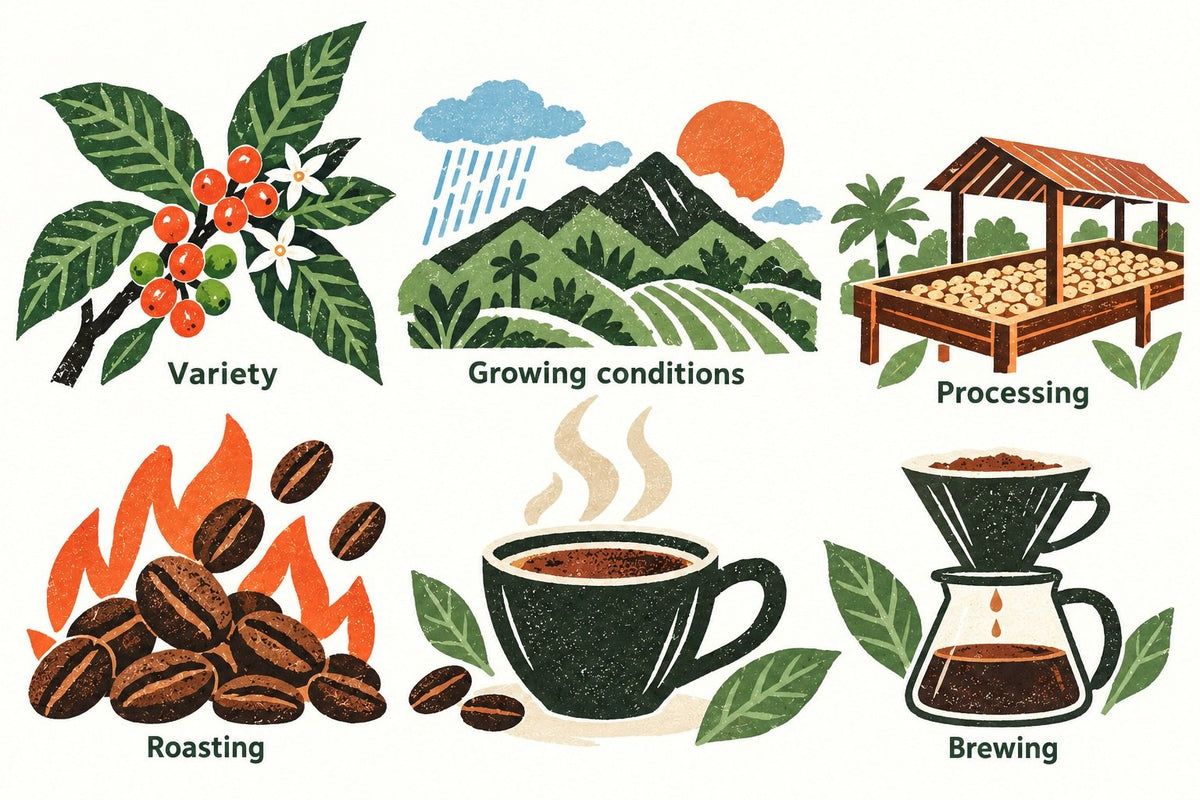
Flavor has several inputs
A coffee’s variety contributes genetic potential. Growing conditions influence development. Processing changes what happens after harvest. Roasting and brewing then shape what reaches the drinker. World Coffee Research’s catalog describes differences among varieties, while experimental work demonstrates sensory variation among coffee plants grown under shared conditions. Both help explain why origin alone cannot account for the whole cup.

Three processing approaches
Washed processing removes fruit and manages mucilage before drying the seeds in parchment. Natural processing dries whole cherries before removing dried fruit and coverings. Honey processing retains some mucilage on parchment during drying; no actual honey is added. These broad categories contain variation in equipment, fermentation, drying and sorting. Knowing the category is useful, but it is not the complete record of a lot’s production.
Shade is not a flavor guarantee
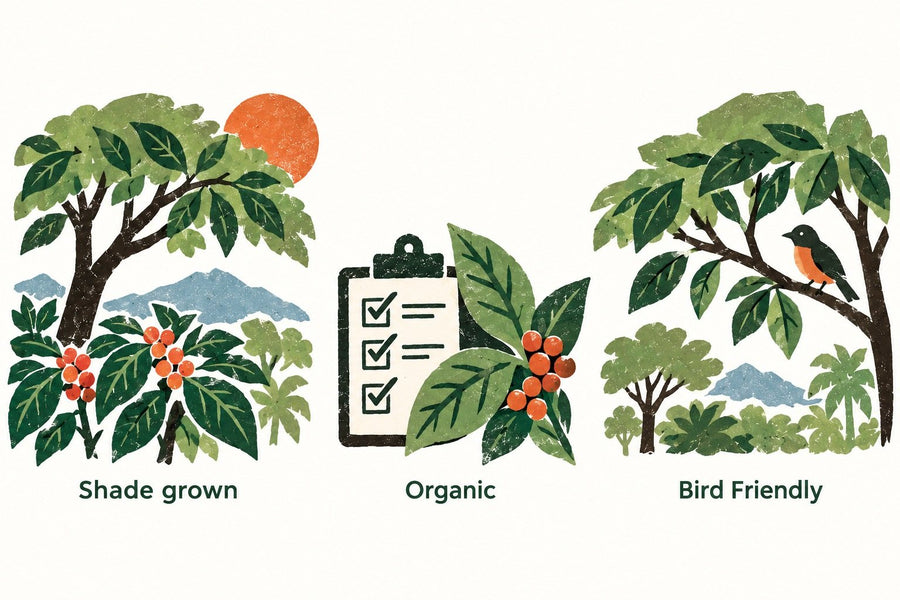
Shade influences the growing environment. That does not establish one inevitable sensory result. Research examines shade together with altitude, variety and processing because those factors interact. A shaded coffee should still be judged as a particular coffee, with its own harvest and preparation, rather than presumed superior because of a single farming description.

Change one thing when you can
To explore processing, compare lots that are otherwise similar: same producer, variety, harvest period and comparable roasting where possible. Brew them consistently, then note aroma, acidity, sweetness, body and finish. If many variables change, the comparison can still be enjoyable, but it becomes a comparison of whole coffees rather than a clean test of processing.
Separate a descriptor from a cause
If you taste strawberry, describe that perception. Do not immediately assign it to shade, altitude or a country name. A sensory descriptor tells someone what you noticed; a causal claim requires stronger evidence. Similarly, a flavor note on a coffee bag usually describes a resemblance in the cup, not an ingredient added to the beans. Ask the roaster when the product description is unclear.
Keep your preference in the picture
Complexity and enjoyment are not identical. Your favorite coffee may be bright and aromatic, or familiar and full-bodied. Learning the chain of influences gives you better questions and comparisons; it does not require adopting someone else’s preferred flavor profile.
Why does a strawberry note not prove that shade caused the flavor?
Show the answer
The note describes a perception; genetics, processing, roast and brewing also influence the cup.
← Lesson 08: From Coffee Fruit to Your CupLesson 10: How to Read Coffee Sourcing Claims →
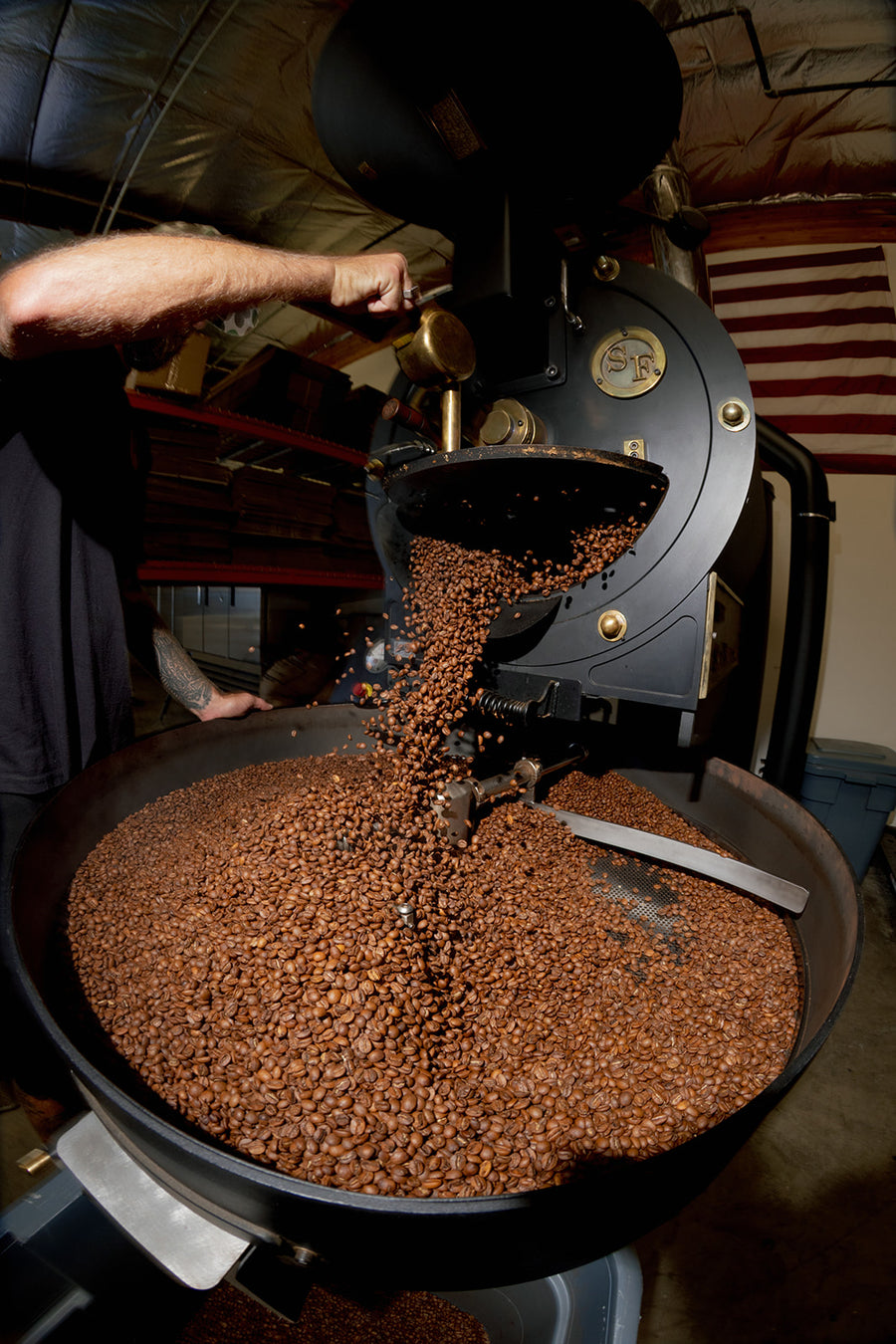
Our Nayarit coffee comes from one farm in El Cuarenteño, grown under shade and roasted every week in North County.
Sources
- FAO, Arabica coffee manual Harvesting and processing
- Worku et al 2018, Altitude shade and processing interactions
- World Coffee Research, Coffee Varieties Catalog
- Sensory characterization of Ethiopian germplasm grown in Colombia 2025
- Counter Culture Coffee, Honey processing
Illustrations are simplified teaching drawings, not pictures of a specific farm we buy from.
Field Notes,
in your inbox.
One email a month with new Field Notes.